Author
Books like John Green
5 books we recommend to John Green readers, drawn from The Fault in Our Stars and Looking for Alaska — each with the reason why.
If you loved The Fault in Our Stars
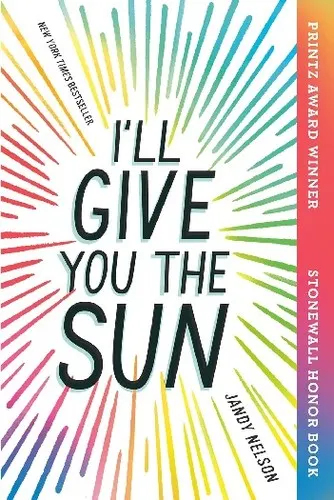
Twins Noah and Jude tell alternating parts of a fractured family story: Noah in a rush of private metaphors and artistic obsession, Jude through grief, superstition, and the dangerous hope of repairing what has broken. Nelson’s language is exuberant—people do not merely feel; their feelings remake the physical world.
Like John Green, Nelson trusts teenagers to be brilliant, selfish, funny, romantic, and catastrophically mistaken all at once. The novel’s structural ingenuity turns every revelation into an emotional reappraisal rather than a gimmick. A devoted reader favorite and winner of the Michael L. Printz Award, it offers the rare pleasure of a book that is both feverishly alive and meticulously made.
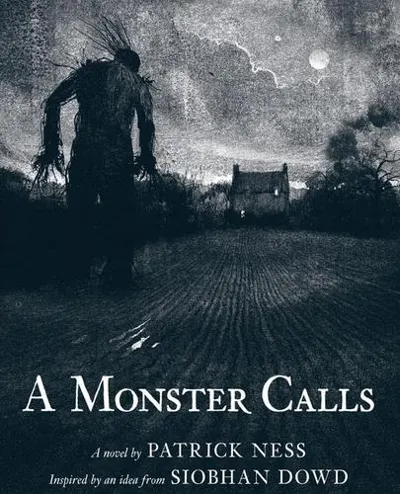
Conor’s mother is ill, and each night a monster comes to his window demanding stories—and, eventually, a truth from Conor himself. Patrick Ness understands what The Fault in Our Stars understands: that love does not purify fear, anger, resentment, or exhaustion. The feelings people are ashamed to admit are often the ones that most need to be spoken.
This is a short novel with enormous force, especially in the original edition illustrated by Jim Kay. It became the first book to win both the Carnegie Medal and the Kate Greenaway Medal, for writing and illustration respectively. Its reputation is deserved: few novels about anticipatory grief are so unsentimental, so compassionate, or so likely to remain lodged in the reader’s mind.
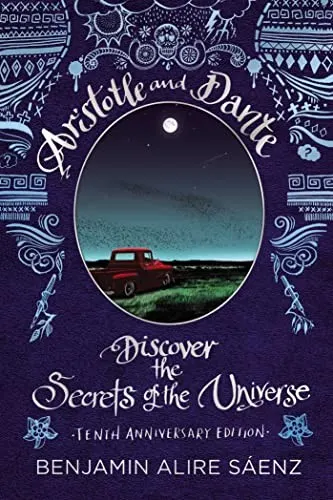
Aristotle is angry, solitary, and unable to name what is missing from his life; Dante is candid, curious, and seemingly at ease with wonder. Their friendship begins at a swimming pool and develops through conversations about identity, parents, desire, and the strange difficulty of becoming oneself.
Readers who loved Hazel and Augustus talking their way toward intimacy will recognize the magnetism here, but Sáenz’s voice is quieter and more spacious. He lets pauses, gestures, and family silences carry as much meaning as declarations. Winner of the Stonewall Book Award and a Printz Honor, this has inspired unusually deep reader devotion because its tenderness never feels cheap: it arrives slowly, after the characters have earned the courage to receive it.
If you loved Looking for Alaska
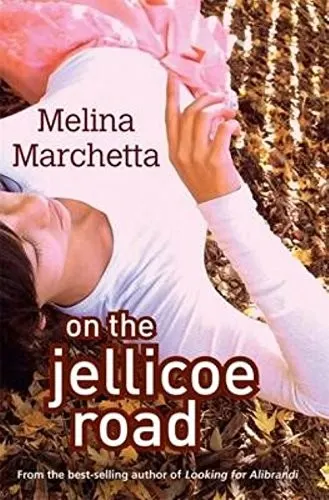
Taylor Markham’s world initially arrives in fragments: a territorial feud, an abandoned child, a mysterious manuscript, and people whose connections she cannot yet understand. Marchetta makes that confusion purposeful. Like Miles, Taylor must dismantle the seductive stories she tells about absence and uncover the painful human truth beneath them.
This Printz Medal winner inspires unusual devotion because its apparent puzzles gradually become an overwhelming portrait of grief, loyalty, and found family. The payoff is not merely a clever revelation; it is the realization that every stray detail has carried emotional weight. Readers who loved assembling Alaska Young from memory, myth, and contradiction should not miss Marchetta’s richer, fiercer variation on that experience.
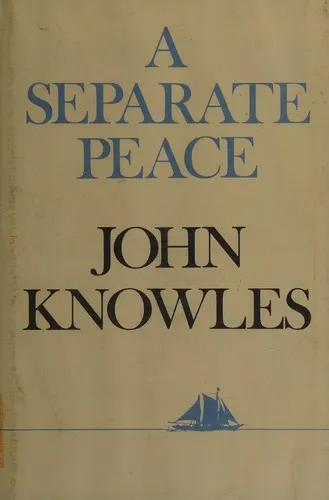
Gene looks back on his school friendship with Finny, an effortlessly daring athlete whose radiance draws out both love and resentment. From the beginning, memory has the charged quality of a confession: Gene is not simply describing Finny but interrogating the version of himself that existed beside him.
This enduring American coming-of-age novel reaches the unsettling territory beneath Miles’s fascination with Alaska—the point where admiration becomes projection and intimacy becomes inseparable from envy, fear, and self-deception. Knowles’s controlled prose is far quieter than Green’s, yet that restraint makes Gene’s uncertainty devastating. Anyone haunted by the question of whether we ever see the people we love clearly will find this slim classic difficult to shake.