Author
Books like Johanna Sinisalo
3 books we recommend to Johanna Sinisalo readers, drawn from The Core of the Sun — each with the reason why.
If you loved The Core of the Sun
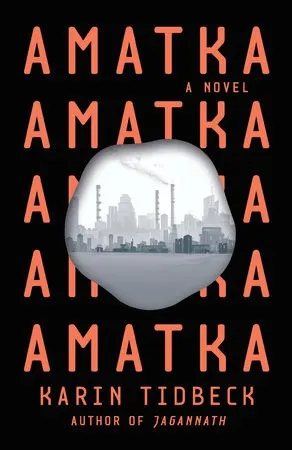
Vanja arrives in a bleak colony to conduct market research, only to discover that objects must be continually named and described—or risk losing their form. Tidbeck turns this uncanny rule into a quietly terrifying vision of social discipline, where official vocabulary polices not only thought but reality itself.
Like Sinisalo, Tidbeck makes speculative world-building feel linguistic, intimate, and bodily rather than technological. Amatka has the same Nordic chill, queer undercurrent, deadpan absurdity, and fascination with what happens when a woman’s unruly longings collide with an engineered society. Tidbeck’s cult reputation rests on precisely this ability to make bureaucratic drabness bloom into something strange and revolutionary. Few dystopias leave such peculiar residue in the imagination.
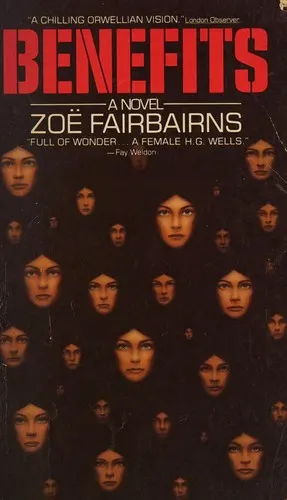
Published in 1979, Benefits imagines British governments gradually converting welfare policy into a means of pushing women back into domestic dependence. Its weapon is administrative language: allowances, incentives, reforms, and reasonable-sounding compromises that steadily redefine women’s lives.
A reader who admired The Core of the Sun’s fabricated social categories and savage parody of official documents will relish Fairbairns’s patient demonstration that oppression rarely introduces itself as oppression. The novel is funny in the bleak, exact way a political speech can be funny when every euphemism reveals a threat. Long cherished as a feminist dystopian classic, it feels less like a period curiosity than a dispatch sent forward to warn us.
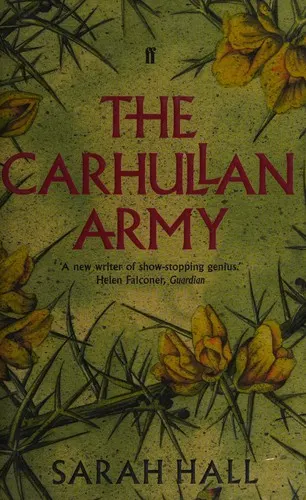
Also published as Daughters of the North, Hall’s novel begins with a prisoner recording how she abandoned an authoritarian Britain and sought out Carhullan, an isolated community of women. Her voice is bruised, furious, sensuous, and utterly committed; the book reads less like a conventional dystopia than testimony smuggled from a rebellion.
Where Sinisalo uses chilli, appetite, and sexuality to expose the political life of the body, Hall makes endurance itself physical: cold, hunger, training, fear, solidarity. She refuses to turn female resistance into a comforting fantasy, asking what liberation demands and what it may deform. Winner of the John Llewellyn Rhys Prize, this short, ferocious novel has the force of something much larger—and its final note is difficult to shake.