Author
Books like Jean Lartéguy
3 books we recommend to Jean Lartéguy readers, drawn from The Centurions — each with the reason why.
If you loved The Centurions
Del Vecchio follows an American airborne unit into a Vietnamese valley, rendering patrol life with the granular authority of someone who served with the 101st Airborne—but the deeper kinship lies in the novel’s restless intelligence. Its soldiers argue about Mao, history, class, duty, and what kind of war they are actually fighting, just as Lartéguy’s paratroopers turn experience into doctrine.
The result is neither a simple antiwar novel nor a celebration of martial brotherhood. It understands why elite troops become a world unto themselves, and how that solidarity can sharpen insight while distancing them from the society they serve. Its unusually devoted readership among veterans and professional soldiers is deserved: few Vietnam novels combine tactical immediacy, ideological seriousness, and human breadth so completely.
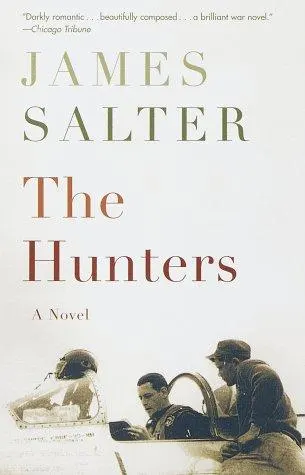
What happens when a professional warrior’s self-respect depends upon proving himself in a form of combat governed by talent, luck, rivalry, and institutional judgment? James Salter answers through Cleve Connell, a fighter pilot arriving in Korea hungry for the victories that will confirm who he believes himself to be.
A former fighter pilot, Salter writes aerial combat with unnerving clarity, but his real subject is the warrior caste: its codes, jealousies, silences, and appetite for distinction. Readers who admired Lartéguy’s refusal to sentimentalize elite soldiers will recognize the same mixture of fascination and scrutiny. The Hunters also offers something Lartéguy does not—Salter’s famously exact, burnished prose, which helped establish his lasting reputation as a writers’ writer.
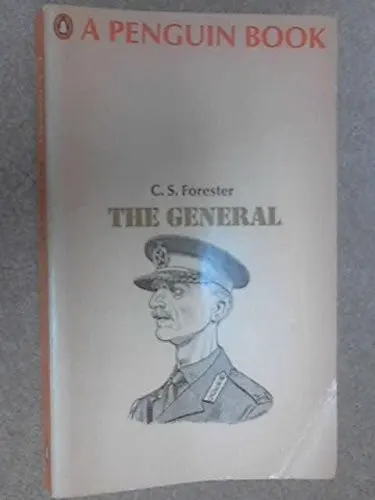
Forester’s General Herbert Curzon is brave, dutiful, physically courageous, and almost perfectly formed by the British Army that produced him. That is precisely the problem. Rather than blaming war on fools or villains, Forester examines how admirable military virtues can harden into intellectual limits when doctrine, hierarchy, and national myth reinforce one another.
This is the book for the reader most gripped by The Centurions’ arguments about armies that learn—or refuse to learn—and officers caught between obedience and strategic reality. Compact, dryly funny, and devastatingly controlled, The General has endured as one of the sharpest fictional studies of military professionalism. Skipping it would mean missing Lartéguy’s institutional questions posed with even colder precision.