Author
Books like Hunter S. Thompson
3 books we recommend to Hunter S. Thompson readers, drawn from Fear and Loathing in Las Vegas — each with the reason why.
If you loved Fear and Loathing in Las Vegas
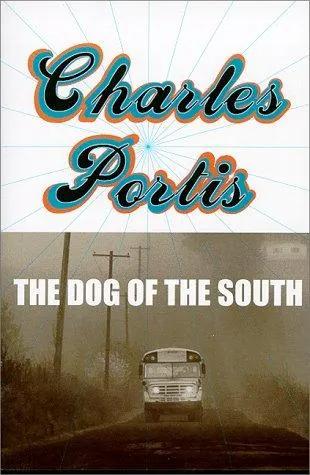
Ray Midge follows his runaway wife’s credit-card receipts south, narrating the pursuit with solemn logic that only makes the surrounding chaos funnier. Like Raoul Duke, he is both investigator and unreliable evidence: obsessive, aggrieved, and incapable of recognizing how bizarre he sounds.
Portis replaces psychedelic frenzy with immaculate deadpan, but he shares Thompson’s gift for finding America in shabby vehicles, dubious transactions, roadside monologues, and men possessed by terrible ideas. Long cherished as a cult masterpiece, this is the rare comic novel whose sentences become funnier each time you reread them.
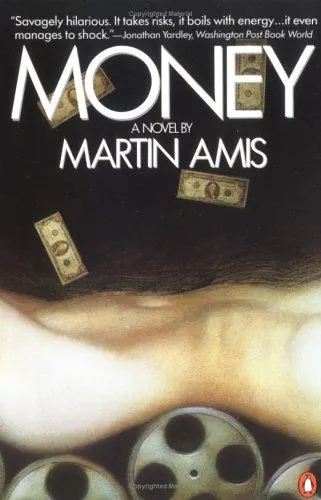
John Self is an appetite with a passport: drink, pornography, fast food, entertainment, and humiliation pour through him as he shuttles between London and New York trying to make a movie. His voice is obscenely energetic—boastful, suspicious, self-lacerating—and the novel makes his excess simultaneously hilarious and sickening.
Where Thompson sees the American Dream curdling in casino carpets, Amis finds consumer capitalism colonizing the mind. Widely regarded as one of the defining novels of the 1980s, Money offers the same intoxicating paradox as Fear and Loathing: prose so alive that cultural decay feels like a thrill ride.
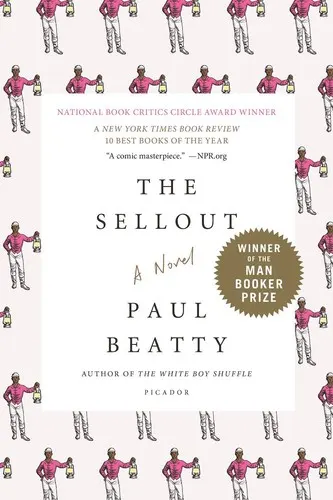
The Sellout begins with its narrator before the Supreme Court, smoking marijuana and attempting to explain how his California hometown led him into an outrageously indefensible social experiment. From there, Beatty builds a satire of race, civic mythology, and American self-congratulation in riffs that are intellectually exact even at their most anarchic.
A Thompson admirer will recognize the method: push reality beyond decorum until official language reveals its madness. But Beatty’s velocity is his own—dense with jokes, reversals, historical barbs, and sentences that demand rereading. Its Booker Prize, the first awarded to an American, confirmed what the book itself makes obvious: this is not merely provocative comedy, but virtuoso satire with lasting bite.