Author
Books like Hoda Barakat
3 books we recommend to Hoda Barakat readers, drawn from The Stone of Laughter — each with the reason why.
If you loved The Stone of Laughter
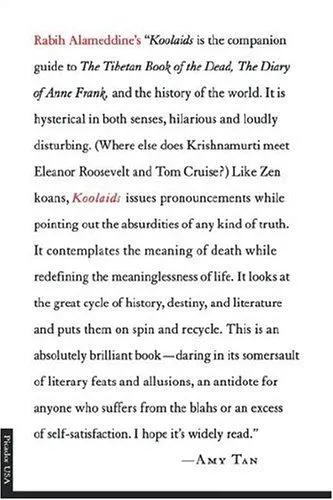
Alameddine’s cult debut splices together Beirut’s civil war and the AIDS crisis in America through diary fragments, news reports, jokes, hallucinations, and furious literary riffs. Its shattered form refuses to turn mass death into a dignified, coherent narrative.
Like Barakat, Alameddine uses queer experience to expose the obscenity of cultures that sentimentalize violence while policing desire. The comedy is camp, savage, and inseparable from grief; famous voices and historical catastrophes are irreverently dragged down to human scale. If you admired how The Stone of Laughter makes mockery ethically serious, Koolaids is indispensable.
When armed men enter a family home in the opening pages, the Lebanese Civil War does not simply become the novel’s subject—it breaks the novel’s language. Perspectives shift, scenes recur in altered forms, and certainty collapses. The result is not a conventional war story but an anatomy of what war does to memory and narration.
Published near the conflict’s beginning, Little Mountain became a landmark of experimental Arabic fiction; Edward Said championed its refusal of easy realism. Where Barakat undermines the masculine war epic with irony and domestic attention, Khoury dismantles it formally. Reading the two together reveals how radically Lebanese novelists reinvented fiction when inherited storytelling no longer seemed truthful.
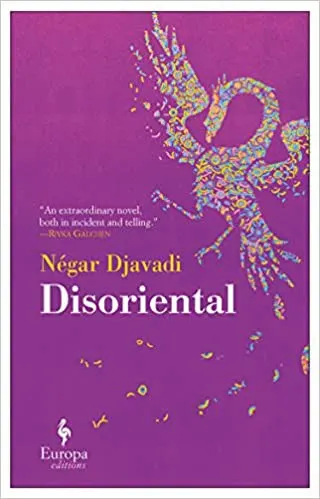
Kimiâ Sadr sits in a Paris fertility clinic and begins telling the unruly history of the Iranian family from which she has become estranged. The story expands through digressions, contradictory memories, political upheavals, family legends, and direct addresses to the reader—history not as a clean chronology, but as something lodged painfully and comically inside the body.
Djavadi shares Barakat’s distrust of the roles assigned by family, nation, and gender. Her wit keeps puncturing solemn political mythology, while Kimiâ’s queer selfhood resists being reduced either to victimhood or symbolism. A finalist for the National Book Award in translation and winner of a Lambda Literary Award, Disoriental has the sweep of a family saga but none of its complacency: it is exuberant, intimate, and formally alive.