Author
Books like Hisham Matar
3 books we recommend to Hisham Matar readers, drawn from In the Country of Men — each with the reason why.
If you loved In the Country of Men
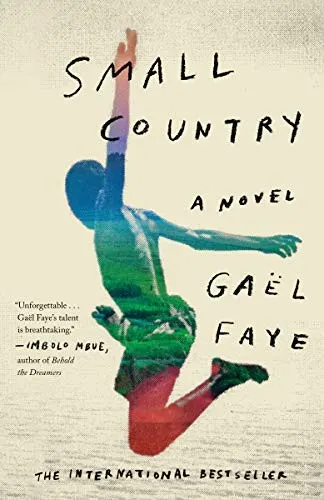
Gabriel’s comfortable childhood in Burundi initially consists of friends, petty adventures, and the private tensions between his French father and Rwandan mother. As violence gathers around him, Faye preserves the child’s limited vision: Gabriel senses the adult world changing before he can understand its names, allegiances, or demands.
Like Matar, Faye writes with deceptive lucidity, making beauty and dread occupy the same sentence. The novel’s enormous French readership and Prix Goncourt des Lycéens reflect how powerfully it captures innocence not simply lost but morally compromised. If Suleiman’s mixture of love, fear, and shame stayed with you, Gabriel will be equally difficult to forget.
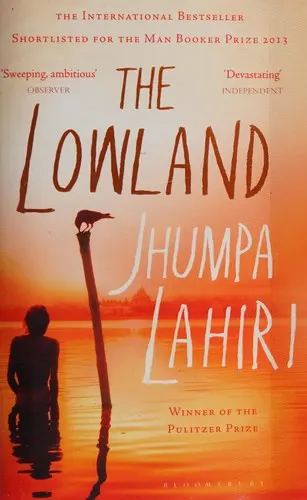
Lahiri begins with two brothers whose temperaments diverge as political radicalism enters their Calcutta lives. What follows is less a conventional political novel than an exacting study of how one person’s convictions can rearrange an entire family’s emotional future.
The kinship with Matar lies in its refusal to separate public history from private betrayal. Lahiri observes secrecy, damaged loyalties, and the burdens imposed on women with the same cool, devastating precision. A Booker Prize and National Book Award finalist, The Lowland has the breadth of a family saga but none of the usual sprawl: every silence has weight, and every act of protection carries an unsettling moral cost.
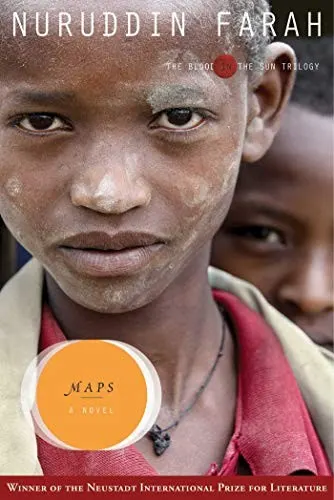
Askar, orphaned at birth amid conflict in the Ogaden, is raised by Misra, whose tenderness becomes the foundation of his world. Farah tells his story through shifting pronouns—including an accusatory, intimate “you”—so that identity itself seems unstable: is Askar formed by memory, nation, language, or the woman who raised him?
Maps offers the same rare tension as In the Country of Men: a young consciousness trying to turn adult contradictions into certainty, while affection becomes entangled with suspicion and allegiance. Yet Farah is stranger and more formally daring, making the reader participate in Askar’s uncertainty rather than merely observe it. The novel is a major work by the Neustadt Prize-winning Somali writer, and its haunting ambiguity helps explain Farah’s lasting international stature.