Author
Books like H. P. Lovecraft
3 books we recommend to H. P. Lovecraft readers, drawn from The Call of Cthulhu — each with the reason why.
If you loved The Call of Cthulhu
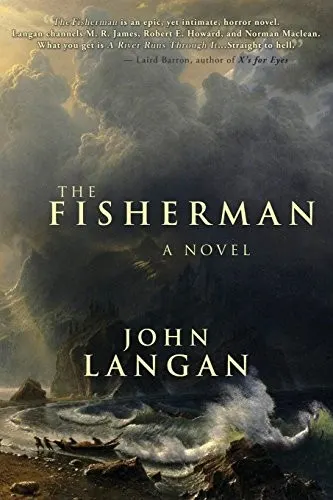
Langan gives cosmic horror something Lovecraft often withheld: a profoundly human reason to approach the forbidden. Two bereaved men find solace in fishing, until they hear about a secluded creek and the strange history attached to it. Grief makes the lure of impossible knowledge emotionally irresistible rather than merely reckless.
The novel unfolds through stories nested inside stories, accumulating testimony, folklore, and ominous detail much as Lovecraft’s narrator assembles his terrible dossier. Yet Langan’s imagery is his own—watery, immense, and unforgettable. A Bram Stoker Award winner and modern cosmic-horror favorite, The Fisherman proves that ancient dread becomes even more frightening when it offers you exactly what you most desperately want.
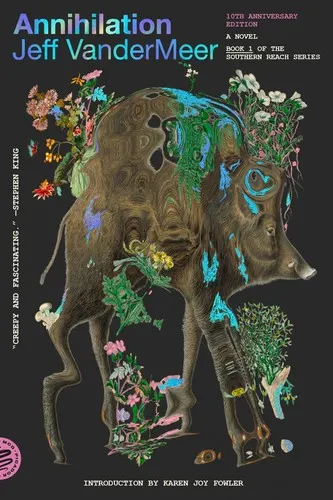
A nameless biologist enters Area X with three other women, carrying instruments, instructions, and assumptions that immediately begin to fail. Her field journal supplies the record, but observation brings no mastery: the more precisely she studies this transformed landscape, the less stable the categories of nature, self, and sanity become.
Where Lovecraft evokes ancient beings beyond comprehension, VanderMeer creates an ecology that seems to operate beyond human meaning altogether. The prose is cool, compressed, and hypnotic, making every biological detail feel both beautiful and contaminating. This Nebula Award winner is one of contemporary weird fiction’s defining novels—and few books better capture the terror of realizing that the universe may not merely ignore humanity, but revise it.
Years after Turin suffered twenty days of inexplicable collective terror, an investigator tries to reconstruct what happened. Official accounts are evasive, survivors are damaged, and the city itself seems determined to suppress its memories. The resulting inquiry has the same addictive architecture as The Call of Cthulhu: fragments connect, testimony darkens, and understanding becomes a form of exposure.
First published in Italy in 1977 and rediscovered decades later in English, De Maria’s novel has earned a devoted reputation as an eerily prophetic cult masterpiece. Its horrors are inseparable from loneliness, surveillance, public denial, and the secret appetites of ordinary people. It is short, feverish, and malign—the sort of book that feels less written than unearthed.