Author
Books like Grant Blackwood
3 books we recommend to Grant Blackwood readers, drawn from Ryanverse — each with the reason why.
If you loved Ryanverse
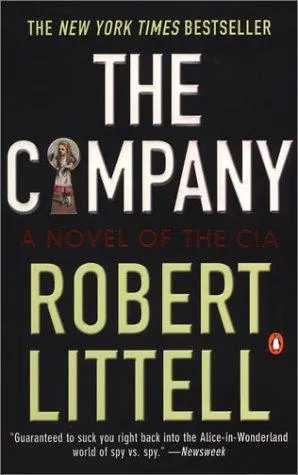
Littell turns the Cold War into an immense human chess game, following CIA officers from their recruitment onward as friendships, convictions, and bureaucratic loyalties collide. Like the best Ryanverse books, it understands that intelligence agencies are institutions populated by ambitious, fallible people—not omniscient machines.
Its scale allows operations and policy decisions to acquire consequences across decades. The tradecraft is absorbing, but the deeper attraction is watching professionals decide whom and what they serve when personal loyalty conflicts with national purpose. Frequently regarded as one of the major CIA epics, The Company offers the institutional sweep, moral gravity, and accumulated payoff that long-term Ryanverse readers rarely find elsewhere.
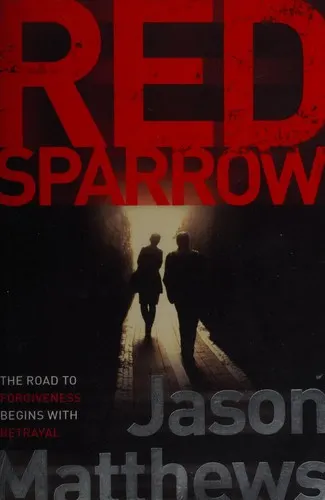
Former CIA operations officer Jason Matthews writes espionage at ground level: surveillance-detection routes, hurried exchanges, recruitment pitches, safe houses, and the tiny behavioral errors that can expose an agent. The story begins with Russian intelligence officer Dominika Egorova being forced into a service that intends to use every one of her gifts—and gives her dangerous reasons to think independently.
Ryanverse readers will recognize the satisfying fusion of individual courage and state-level strategy, but Matthews makes it unusually intimate and sensory. Every meeting carries competing motives; every procedural detail can become a weapon. Winner of the Edgar Award for Best First Novel, Red Sparrow earned its reputation by making professional tradecraft feel both credible and unbearably tense.
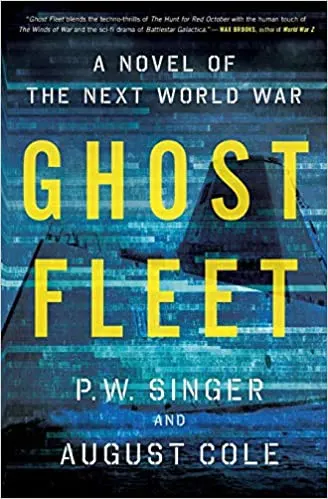
Ghost Fleet delivers the systems-level exhilaration of Clancy at full scale. A surprise conflict tests American assumptions about satellites, cyberwarfare, naval power, supply chains, weapons procurement, and technological superiority. Rather than treating hardware as decoration, Singer and Cole show how technologies depend upon one another—and how a weakness buried in peacetime infrastructure can reshape a war.
The authors support their extrapolations with extensive endnotes, yet the novel keeps moving through combatants, strategists, engineers, and civilians improvising inside a crisis no plan anticipated. Its credibility made it a touchstone in defense circles and on professional reading lists. If the Ryanverse appeals because it lets you see an entire geopolitical machine strain, fail, and adapt, Ghost Fleet is close to indispensable.