Author
Books like Emily M. Danforth
3 books we recommend to Emily M. Danforth readers, drawn from The Miseducation of Cameron Post — each with the reason why.
If you loved The Miseducation of Cameron Post

Sixteen-year-old Nomi Nickel lives in a strict Mennonite town where salvation has rules, boredom feels cosmic, and her mother and sister are conspicuously absent. Like Cameron, Nomi protects herself with watchful, bone-dry humor; every joke carries grief beneath it.
Toews is especially brilliant at showing how a punitive community can still contain beloved people. Authority is cruel, but individuals remain bewilderingly human. Winner of Canada’s Governor General’s Award, this is one of the great novels of teenage resistance: funny, wounded, and so alive to hypocrisy that Nomi’s voice will keep talking in your head long after the final page.
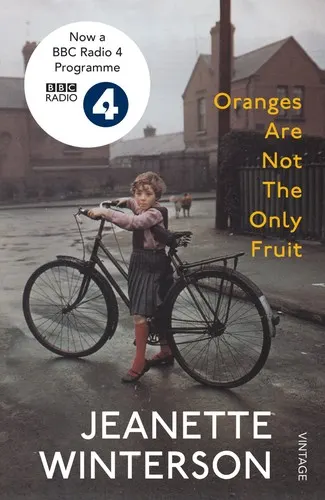
Jeanette is raised by a formidable Pentecostal mother to become a missionary—until loving another girl collides with the story her church has written for her. That premise may recall Cameron Post, but Winterson’s exhilarating method is all her own: scripture, fairy tale, family legend, and comedy are spliced together into a counter-gospel.
Winner of the Whitbread First Novel Award and now a modern classic, the book refuses to treat queer awakening as either tragedy or tidy emancipation. Its heroine wins imaginative freedom before she wins anything simpler. If Danforth’s mixture of irreverence, moral anger, and tenderness mattered to you, Winterson’s fierce, mischievous voice is indispensable.
Wallace, a queer Black graduate student in a Midwestern biochemistry program, has perfected the kind of detached observation that keeps other people from seeing how vulnerable he is. Over one late-summer weekend, Taylor studies the tiny aggressions, evasions, and power shifts within Wallace’s circle of friends with almost microscopic precision.
What connects him to Cameron is the refusal to become an exemplary victim. Both characters can be guarded, desirous, funny, unfair, and achingly lonely; neither exists to reassure the reader. Taylor’s Booker-shortlisted debut is tense and exacting, turning awkward conversations into emotional brinkmanship. It offers the rare pleasure of a queer protagonist rendered without simplification—and the unnerving recognition that survival habits can become their own confinement.