Author
Books like Elizabeth E. Wein
3 books we recommend to Elizabeth E. Wein readers, drawn from Code Name Verity — each with the reason why.
If you loved Code Name Verity
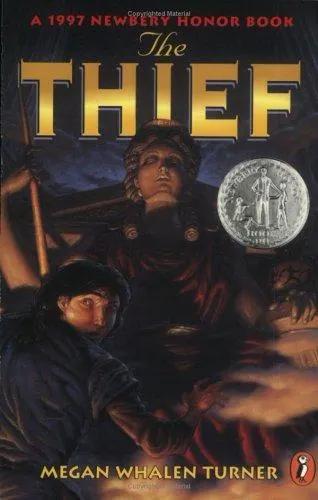
Gen, a boastful young prisoner, is released to help steal an object said to be impossible to reach. His voice is funny, evasive, irritating—and meticulously controlled.
Like Wein, Turner makes narration itself part of the adventure. Casual remarks acquire new meanings, apparent weaknesses become strengths, and the reader’s assumptions are quietly enlisted against them. Yet the novel is more than a clever mechanism: beneath Gen’s swagger lies a moving study of trust, loyalty, and the dangerous gap between how someone appears and who they are. This first volume launched one of fantasy’s most passionately loved series, and its precision only becomes more impressive on rereading. If Verity made you want to turn straight back to page one, The Thief is indispensable.

Sue Trinder, raised among thieves in Victorian London, joins a scheme aimed at defrauding a secluded heiress. From that premise, Waters constructs a gloriously immersive novel of deception, intimacy, power, and competing stories.
The kinship with Code Name Verity lies in the emotional stakes of interpretation: every confession may be strategic, every apparent betrayal may conceal another truth, and understanding another woman becomes both perilous and necessary. Waters makes the reader feel the seduction of a convincing narrative before revealing how much perspective controls. Booker-shortlisted and widely regarded as a modern historical-fiction classic, Fingersmith combines bravura plotting with a relationship too complicated to reduce to victim and rescuer. Its reversals are thrilling; the human ache beneath them is what makes the book unforgettable.
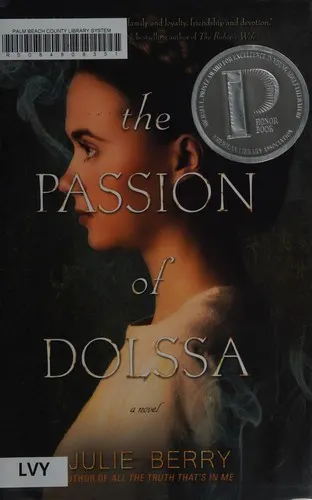
In thirteenth-century Provence, Botille, a sharp-witted tavern keeper, shelters Dolssa, a young mystic fleeing religious persecution. Their bond places an entire community in danger, while the story reaches us through testimonies, fragments, and voices gathered after the fact.
Berry understands, as Wein does, that official records rarely preserve courage cleanly. Who is allowed to speak? Who edits the evidence? How can one woman keep another from being erased? The novel’s many narrators create suspense, but they also build a vivid chorus of friendship, appetite, faith, fear, and resistance. A Michael L. Printz Honor book, it has the intellectual architecture of an archival mystery and the emotional force of a legend rescued from oblivion. Readers who treasured Verity’s defiant women and its faith in storytelling as an act of love should not miss it.