Author
Books like Edna O'Brien
3 books we recommend to Edna O'Brien readers, drawn from The Country Girls — each with the reason why.
If you loved The Country Girls
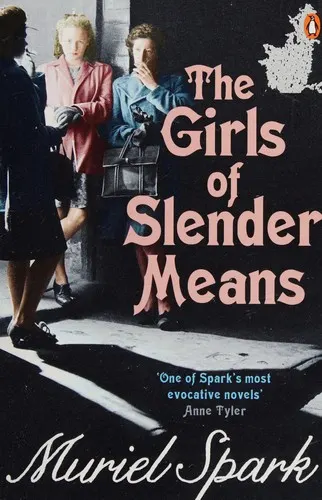
At a women’s hostel in rationed 1945 London, clothes, soap, food, beaux, and telephone privileges circulate through a miniature society of alliances and rivalries. Spark catches what O’Brien catches between Caithleen and Baba: female companionship can be sustaining, competitive, affectionate, and merciless in the same breath.
Spark’s prose is cooler and more compressed than O’Brien’s, but her jokes likewise have danger underneath them. A shared evening dress becomes an instrument of aspiration; casual chatter exposes the price women pay for beauty, security, and male attention. Often counted among Spark’s finest novels, this slim book performs an extraordinary turn from social comedy toward moral gravity without losing its poise. Missing it would mean missing one of fiction’s sharpest portraits of young women improvising freedom from very limited materials.
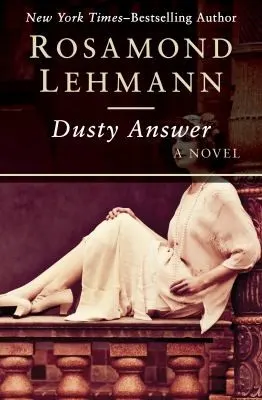
Read this for O’Brien’s emotional weather: the enormous meaning of a glance, the humiliation of wanting more than someone else does, and the way youth transforms ordinary rooms and encounters into private mythology. Judith Earle’s attachments—to friends as much as prospective lovers—are rendered with an almost painful intimacy. Lehmann never belittles her romantic intensity, even when she reveals its illusions.
Published in 1927, this debut made the twenty-six-year-old Lehmann famous and established the candor about women’s desire that would define her career. Where O’Brien moves between Caithleen’s vulnerability and Baba’s irreverence, Lehmann concentrates both longing and self-consciousness inside one unforgettable sensibility. Anyone who recognized herself in Caithleen’s mixture of hope, shame, and hunger should not leave Judith Earle undiscovered.
Sally Jay Gorce arrives in Paris determined to live freely, and narrates the consequences with pink-haired, evening-dress-at-breakfast audacity. She is funnier and brasher than Caithleen, but the bravado covers a familiar uncertainty: how does a young woman distinguish independence from performance, desire from vanity, experience from merely looking experienced?
Dundy gives Sally Jay one of the great comic voices of the 1950s—breathless, self-dramatizing, observant, and repeatedly betrayed by its own confidence. The novel became a bestseller and then a cult favorite because its high spirits never erase its emotional intelligence. It offers the exhilarating counterfactual to O’Brien’s Ireland: the country girl has escaped, the rules appear suspended, and freedom proves more complicated—and much more entertaining—than promised.