Author
Books like Christopher Isherwood
3 books we recommend to Christopher Isherwood readers, drawn from A Single Man — each with the reason why.
If you loved A Single Man
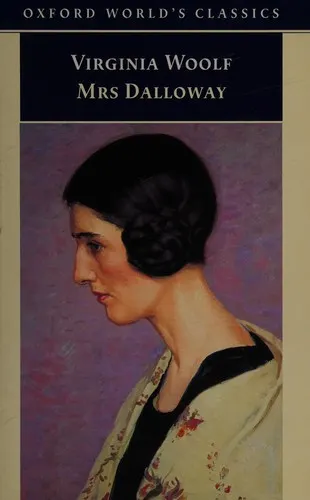
No novel is more essential to the tradition Isherwood transforms in A Single Man. Woolf follows consciousness through a single day, letting errands, encounters, memories, and passing sensations disclose the immense private lives concealed beneath social composure.
Her prose is more fluid and orchestral than Isherwood’s, but the kinship is profound: both books make time palpable, treat attention as a form of survival, and move effortlessly between piercing sorrow and comedy of manners. Mrs Dalloway is not merely an influential modernist classic; it remains startlingly intimate, alive to every humiliation and flicker of beauty. Reading it after A Single Man feels like discovering one of the springs from which Isherwood’s masterpiece flows.
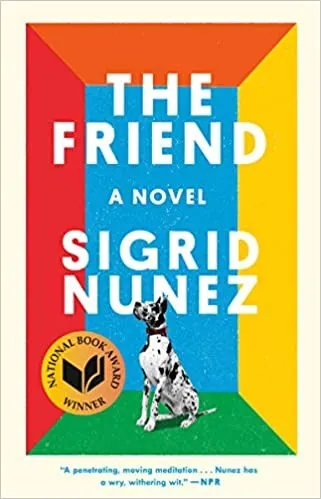
The Friend begins with a woman mourning the suicide of her closest friend and unexpectedly becoming responsible for his enormous Great Dane. What follows is less a conventional story of recovery than a searching, dryly funny meditation on grief, solitude, literature, and the awkward demands of continuing to live.
Like Isherwood, Nunez refuses sentimentality without withholding tenderness. Her narrator is intelligent enough to distrust consoling stories, yet alert enough to notice how companionship, habit, and physical presence can alter despair. Winner of the National Book Award, this slender novel has inspired unusual devotion because it seems conversational while quietly changing shape in the reader’s hands. Anyone who loved George’s severe self-awareness and the fragile mercies of his day should find The Friend indispensable.
Garth Greenwell’s acclaimed debut places a gay American teacher in Bulgaria, where an encounter with a young man named Mitko becomes charged with desire, shame, need, and unequal power. Its deepest resemblance to A Single Man lies not in sexuality but in the ruthless precision with which both novels examine longing from inside a highly self-conscious mind.
Greenwell writes sentences of remarkable tensile strength: extended, searching, forever revising what the narrator thinks he knows about himself. Like Isherwood, he understands that desire can be comic, degrading, sustaining, and beautiful almost at once. What Belongs to You was widely recognized as a major arrival in contemporary fiction, and deservedly so. It offers the rare exhilaration of watching emotional ambiguity rendered with such exactness that evasion becomes impossible.