Author
Books like Catherine Webb
3 books we recommend to Catherine Webb readers, drawn from The First Fifteen Lives of Harry August — each with the reason why.
If you loved The First Fifteen Lives of Harry August
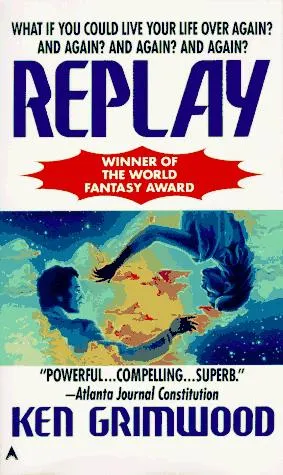
Jeff Winston dies at forty-three and wakes in his eighteen-year-old body, retaining everything he knows. From that immaculate opening, Grimwood explores the fantasies Harry August tempts us with—wealth, foreknowledge, second chances—before asking what repeated experience does to love, ambition and wonder.
Winner of the World Fantasy Award and now a cult classic, Replay is less concerned with ingenious rules than with emotional consequences. Its clean, compulsive storytelling can make decades pass in a page, yet individual losses land with startling force. Anyone moved by Harry’s struggle to find meaning inside recurrence should regard it as essential.
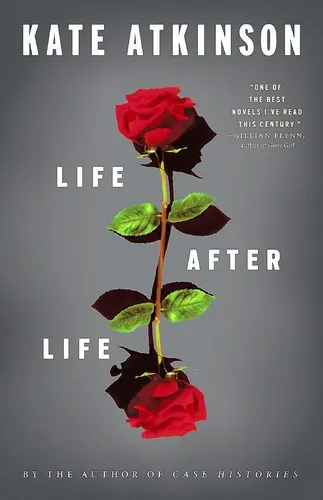
Ursula Todd is born during a snowstorm in 1910, and her life repeatedly ends and begins again. Unlike Harry, she possesses no tidy explanation or reliable mastery of the process. Atkinson makes recurrence feel intuitive and uncanny: possibilities gather around Ursula as premonitions, instincts and roads almost taken.
The Costa Novel Award winner combines formal daring with extraordinary warmth. Small domestic details matter as much as history, and each variation alters the emotional significance of those before it. Where Harry August treats renewed life as knowledge, Life After Life treats it as uncertainty—a beautiful, unsettling demonstration that endless chances need not make choosing any easier.

This is the closest literary sibling to Harry August, and not simply because Claire North is Catherine Webb’s pen name. Its narrator, Kepler, is a consciousness able to move between bodies through physical contact. When a host is murdered, that gift instantly becomes the engine of a taut pursuit.
North again gives an impossible narrator a voice shaped by accumulated lives: observant, witty, lonely and morally compromised. The premise lets her probe consent, embodiment and the unstable boundary between using a person and caring for them, while the chase supplies relentless momentum. Touch proves that Harry August was not a one-off trick; it belongs to a richer body of work about how prolonged existence changes the value of a single human life.