Author
Books like Bessie Emery Head
3 books we recommend to Bessie Emery Head readers, drawn from A Question of Power — each with the reason why.
If you loved A Question of Power
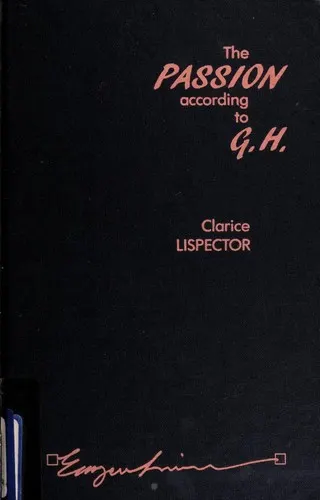
Lispector’s modernist masterpiece begins when a wealthy woman enters her former maid’s room and finds her orderly identity starting to come apart. Like Head, Lispector turns an apparent breakdown into a metaphysical trial: social privilege, disgust, desire, God, and the boundaries of the human all become unstable.
The kinship lies especially in the prose. Thought does not merely describe experience; it becomes the dangerous terrain on which the novel happens. Lispector’s book has inspired unusually fervent devotion among writers and readers because it risks going where realistic language cannot. If Elizabeth’s visionary ordeal felt like revelation rather than mere pathology, G.H.’s encounter is indispensable.
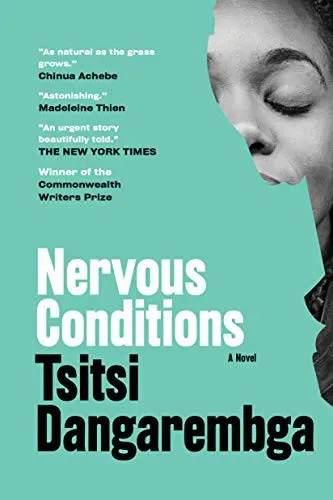
Dangarembga opens with one of African literature’s great declarations—“I was not sorry when my brother died”—and gives that startling sentence to Tambu, a fiercely intelligent girl determined to secure an education in colonial Rhodesia. Her clear-eyed voice exposes how race, empire, money, gender, and family love can become interlocking systems of control.
Where Head stages power as a terrifying invasion of consciousness, Dangarembga shows it operating through homes, schools, manners, ambitions, and ideas of female respectability. The result is both intimate and politically exact. Winner of the Commonwealth Writers’ Prize and now a cornerstone of African literature, it has the rare force of a book that changes the vocabulary with which readers understand oppression.
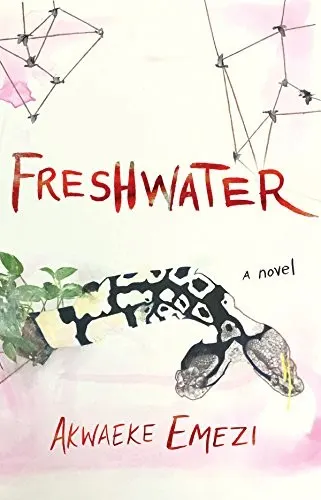
Ada is born with a multitude of spirits inside her, and those presences tell much of her story themselves. From its opening pages, Emezi refuses to translate this divided consciousness into a comfortably Western medical explanation. The self is plural; the spiritual world is real; the body is contested ground.
That makes this acclaimed debut a striking contemporary companion to A Question of Power. Both novels ask who has the authority to name an extreme inner life—and whether the language of illness can fully contain experiences shaped by violence, culture, and metaphysics. Freshwater is sensuous, volatile, and formally audacious: a book that does not explain away its mysteries but teaches you how to inhabit them.