Author
Books like Antoine de Saint-Exupéry
3 books we recommend to Antoine de Saint-Exupéry readers, drawn from The Little Prince — each with the reason why.
If you loved The Little Prince
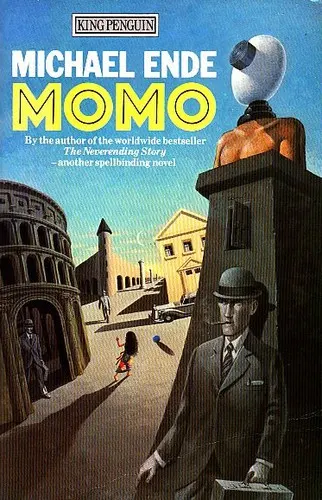
Momo lives in the ruins of an amphitheater and possesses an almost miraculous gift: she listens. That modest power becomes revolutionary when sinister figures begin persuading people to “save” time—only to leave them hurried, joyless, and estranged from one another.
Like The Little Prince, Michael Ende’s enduring international classic uses lucid fantasy to expose adult values that are plainly absurd once a child looks at them carefully. Its critique of busyness feels even sharper now, but Momo is never merely an allegory: she is a lovable presence, and the threatened pleasures—conversation, play, stories, undivided attention—feel precious. Read it before you become any better at saving time.
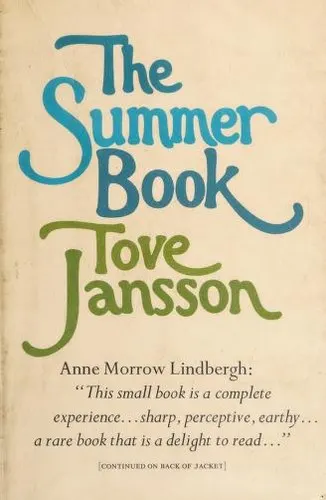
On a tiny Finnish island, six-year-old Sophia and her elderly grandmother argue, explore, invent, sulk, and contemplate the natural world. Jansson writes their exchanges with startling economy: a few lines can be funny, severe, tender, and quietly philosophical at once.
This beloved adult novel by the creator of the Moomins shares Saint-Exupéry’s refusal to sentimentalize either children or love. Sophia’s questions matter; the grandmother’s wisdom remains imperfect; affection is expressed through attention rather than speeches. Beneath the sunlit episodes lies an awareness of grief and mortality, handled with such delicacy that the book seems to enlarge silence itself. Few novels this small leave so much room inside the reader.
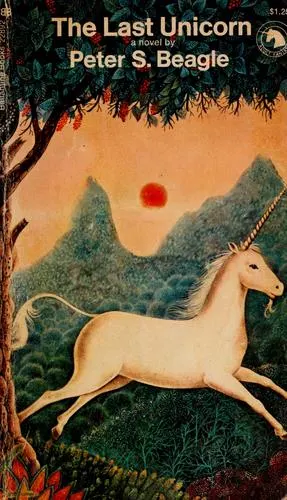
When a unicorn overhears that she may be the last of her kind, she leaves the safety of her forest to discover what has happened to the others. Beagle’s opening gives the quest wonder, wit, and an undertow of loneliness; his enchanted world is populated by creatures who are ridiculous, wounded, self-deceiving, and capable of grace.
A modern fantasy classic with generations of devoted readers, The Last Unicorn has the same rare double vision as The Little Prince: it recognizes the beauty of innocence without pretending innocence can remain untouched. Its playful dialogue opens suddenly onto longing, responsibility, change, and the cost of loving mortal things. The prose contains sentences readers carry for decades; missing it means missing one of fantasy’s most beautiful arguments for why sorrow does not cancel wonder.